What is Kefir?
Kefir is similar to Kombucha in that it is a fermented drink. The difference is that Kefir is made through the fermentation of kefir grains. It has become a staple in many indiginous communities around the world, and in the past few years started to enter into more western diets and socieities.
The word Kefir is Turkish in origins and finds its roots in the word “keyif”, which loosely translated to English means a “good feeling”. This perfectly describes the drink as it leaves those who consume it feeling relieved in the stomach and light on their feet. Many people attribute the benefits of Kefir to the drinks probiotic contents.
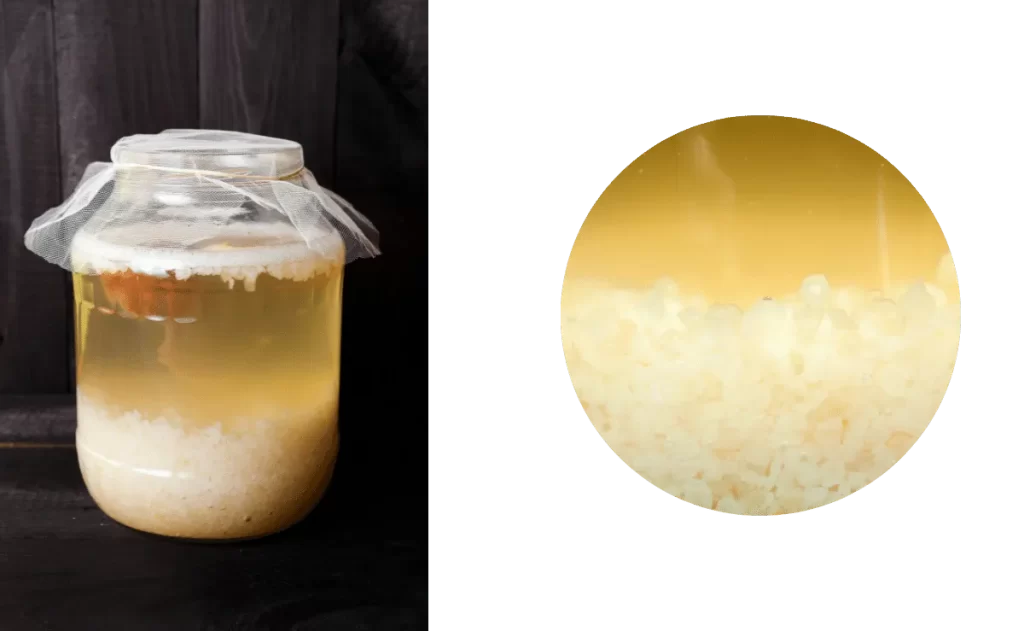
Kefir itself refers to a fermented dairy product, to which yeasts and bacteria are added to culture the milk. Kefir can come in two main forms: either milk Kefir or water Kefir. Drinking it in either form is desirable for the multitude of health benefits that can accrue from consumption.
Health Benefits of Kefir:
Research into the health benefits of Kefir is still in it’s infancy stages, which is what makes the drink such an interesting product that is set to explode in markets all around the world over the next decade. There are a few accepted and established benefits that have been proven through consumption in indiginous communities around the globe:
Blood Sugar Level Control:
There have been numerous studies conducted in countries like Turkey and Iran that show regular Kefir drinkers having much lower blood sugar levels in comparison to non-Kenfir drinkers. This gives the product massive potential to be a medical revelation in Western countries, where the diets often contribute to high levels of sugar within the blood.
Keeping Cholesterol Low:
High levels of Cholesterol are extremely harmful to the heart and thus the general health of a human body. In Western societies, where junk food consumption is at an all time high, a homemade medical socieities is undoubtedly needed. Kefir could be exactly that as surveys and studies have shown that regular consumption of the fermented product could drastically lower cholesterol levels in people who already have higher than usual levels.
Regulating the Digestive System
Some experts point to the digestive effects of Kefir as its main health benefit as probitic attributes of the drink can greatly benefit the microorgamisms and bacteria that livin within the gut. Drinking Kefir helps maintain a healthy balance of species by regulating the living conditions of the microorganisms within the human stomach.
How to Make Milk Kefir:
Milk Kefir is made in a very similar way to that of yoghurt and buttermilk, the only difference is in the process of culturing the actual Kefir milk. The process of making the product is extremely simple as listed below:
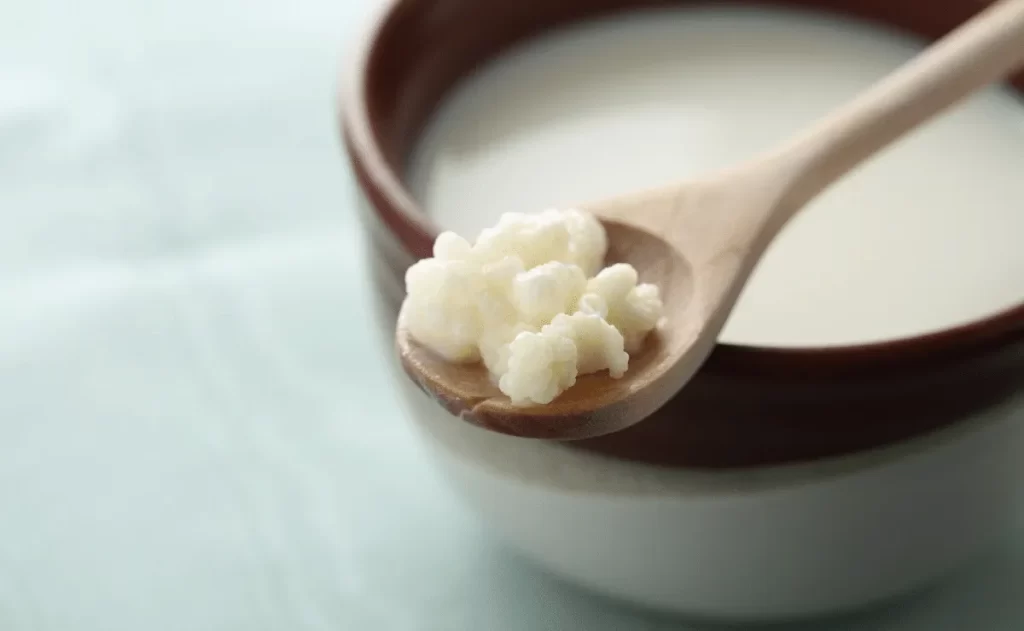
- Add one teaspoon of Kefir grains to one cup of milk.
- Cover the glass in cling wrap or a air tight lid for 24 hours – during this process the healthy bacteria and yeast that lives within the Kefir grains will ferment the milk.
- When the milk has become thick – almost like the consistency of buttermilk – the taste will become noticably tangy, almost like a yoghurt.
- Strain the kefir grains from the milk (the grains can be reused in another batch).
The best kind of milk to use in the process of making this product is whole fat animal milk, but it can also be succesfully made by using 2% reduced fat milk. For non-dairy drinkers the best bet would most likely be coconut milk, while other non-dairy milks might not work to the same effectiveness.
How to Make Water Kefir:
Water Kefir, just like milk Kefir is a drink that will become infused with the probiotic bacteria that exists within Kefir grains. It is also extremely simple to make, and due to the health benefits mentioned above, should be tested out at least once or twice!
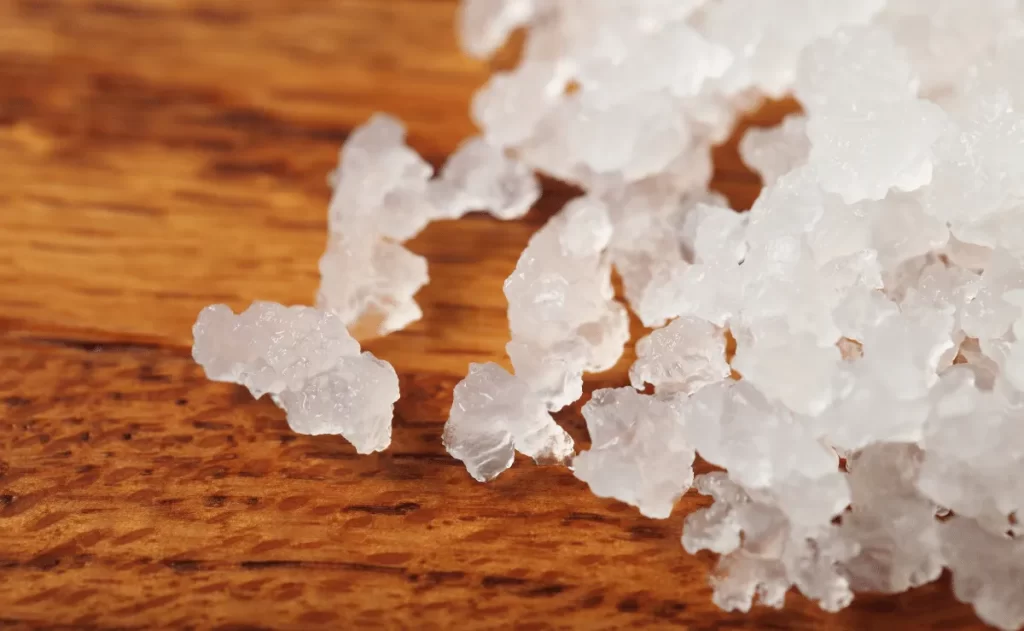


- Fill a glass mason jar/cup with water – natural well water or mineralised water are your best bets for the best tasting and healthiest version of water kefir.
- Add ¼ cup of organic sugar cane to the water – this will not make the Kefir water unhealthy because the Kefir grains will metabolize the sugar during the fermentation process. The end product will only come out tasting mildly sweet, regardless of the amount of sugar added (as long as the ratio between Kefir grains and sugar remains the same).
- Stir water until the sugar has completely dissolved.
- Add ¼ cup of Kefir grains to the mix and stir gently.
- It might be extra helpful to add fruits such as lemons, prunes, or even apples to the mixture in order to increase the nutrient component and better the flavour.
- Cover with a kitchen towel or lid (it should be able to breathe) and leave to ferment for 24 hours+. For water Kefir 2-3 days of fermentation is recommended.
- If you’d like to bring the drink to its full potential you can do a second fermentation process where the Kefir is sealed tight for 24 hours. The drink will start bubbling, and that’s when you know it’s ready.
Once this process is complete you can strain both the fruit and the Kefir grains for usage later. Eating the fruit is not a bad idea as the probiotic attributes of the Kefir grains will have infused into the fruit, making it extra healthy for both your skin and your gut.